
Drones at the Heart of Forest Conservation

Chosen theme: Applications of Drones in Forest Conservation. Step into the canopy with us as we explore how unmanned aerial systems help protect wildlife, map forest health, prevent fires, and empower communities to care for the forests they love.

Eyes in the Canopy: Wildlife Monitoring from Above

Mounted thermal cameras help detect animals hidden by foliage or active at night, from elephants moving along shadowed corridors to deer nestled in dense understory. Share what species you would survey and why the aerial angle could improve protection strategies.

Eyes in the Canopy: Wildlife Monitoring from Above

Automated image analysis turns hours of flight footage into reliable counts of nests, herds, or roosts, guiding conservation targets without stressing animals. Have you tried any counting methods yourself? Tell us where drones could make your monitoring more humane and precise.

Mapping Forest Health and Canopy Change

Multispectral indices that speak tree

NDVI and related indices flag chlorophyll stress before leaves visibly yellow, letting teams intervene early against pests or drought. If you manage a restoration plot, tell us which indicators you trust most and we’ll share practical workflows using compact sensors.

Orthomosaics that empower local decisions

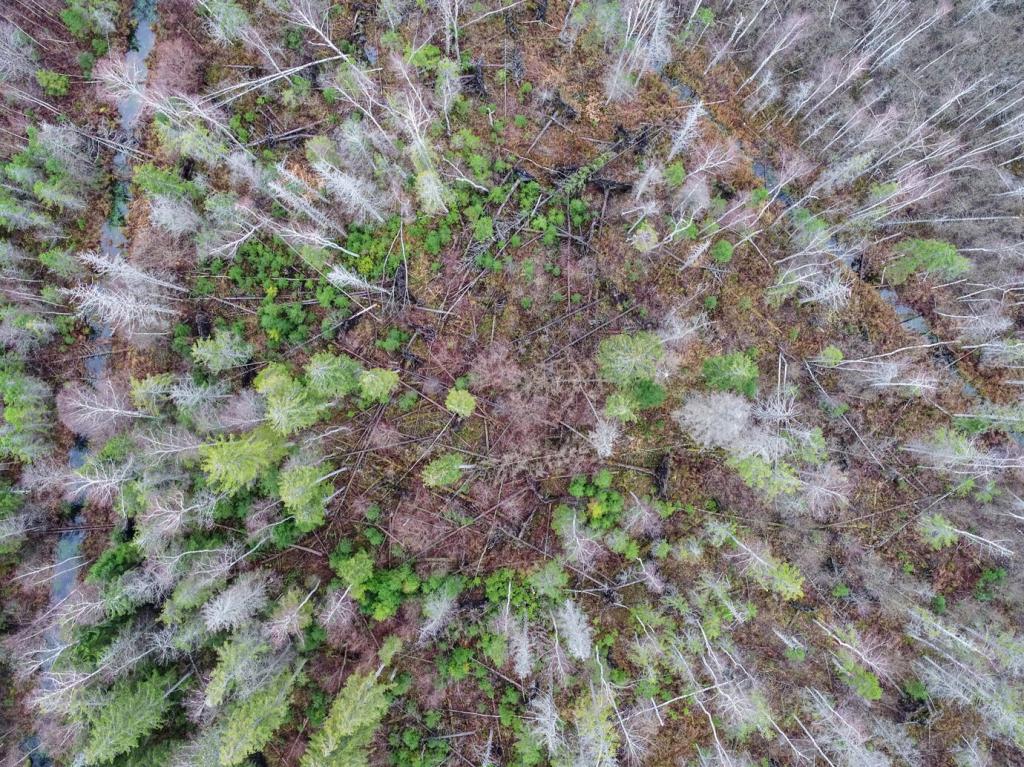
High-resolution maps help community foresters locate illegal clearings, plan patrol routes, and prioritize replanting zones with confidence. We love spotlighting local mapping wins—send a snapshot of your latest drone map, and we’ll feature the story behind the pixels.

Change detection without the guesswork

By comparing monthly drone surveys, small canopy gaps, skid trails, and encroachment lines become unmistakable. Want a simple change-detection checklist you can adopt this season? Subscribe and we’ll email a step-by-step guide tailored to forest conservation teams.

Early Fire Detection and Safer Response

Seeing heat before flames take hold

Thermal payloads can detect abnormal surface temperatures and lingering embers after controlled burns, reducing reignition risks. Tell us about your fire season challenges, and we’ll share a preflight checklist designed for heat mapping in rugged forest terrain.

Airborne situational awareness for crews

Live video from a hovering drone helps crews choose safer lines, identify wind-driven flare-ups, and avoid deadfall zones. If your team uses radios but lacks live maps, comment with your setup—we can suggest lightweight streaming tools that work off-grid.

Community readiness with clear visuals

Evacuation routes mapped by drones, updated annually, keep communities prepared without guesswork. We’re compiling a library of open fire-readiness map templates. Subscribe to download them, adapt to your forest, and help neighbors understand risks before smoke appears.

Protecting Wildlife: Anti-Poaching and Patrol Support

Infrared cameras spot suspicious movement near salt licks and trails without revealing patrol positions. What boundaries should guide night flights in your reserve? Share your governance rules, and we’ll compile a community-driven code of practice for ethical surveillance.

Protecting Wildlife: Anti-Poaching and Patrol Support

Drones can relay live coordinates to rangers and community patrollers, enabling de-escalation and quick evidence gathering. Tell us what communication tools you rely on, and we’ll recommend simple integrations to sync drone maps with handheld devices in the field.

Restoration at Scale: Seeds, Saplings, and Success Metrics

On a landslide-prone slope, a small team used drones to deliver native seedballs between boulders, then returned quarterly to measure take rates. Would aerial seeding fit your landscape? Share terrain details, and we’ll suggest payload and flight patterns to try.

Restoration at Scale: Seeds, Saplings, and Success Metrics

Moisture, shade, and soil roughness vary meter by meter. Drone-derived surface models flag promising planting pockets that maximize germination. Tell us which species you’re restoring, and we’ll outline micro-site indicators worth tracking across your next planting season.
Community Science: Drones in the Hands of Guardians

Workshops should start with community questions, not gadgets. When residents map sacred groves and water sources first, conservation maps become living tools. What would your first community mission be? Comment, and we’ll share a starter curriculum built around your goals.

Community Science: Drones in the Hands of Guardians

Joint flight planning with elders, youth, and rangers builds trust and reduces misunderstandings. Have a story of collaborative mapping that changed minds? Send it in—we love publishing examples where drones clarified, rather than complicated, community choices.

Data, AI, and Responsible Innovation

Edge AI that works offline

Onboard models can flag smoke, animals, or illegal clearings without internet, yielding instant cues for pilots. What detections matter most in your forest? Share your priorities, and we’ll highlight lightweight models and training datasets suitable for rugged conditions.

Open data that invites collaboration

Publishing generalized, privacy-safe layers encourages researchers and neighbors to validate findings and propose improvements. Would you contribute to a shared forest dataset? Subscribe to join our contributor circle and receive our data ethics and anonymization guidelines.

Privacy, consent, and the social license to fly

Conservation succeeds when communities endorse it. Clear notices, opt-outs, and agreed flight windows protect relationships as much as wildlife. Tell us how you approach consent, and we’ll co-create a checklist others can adapt across different cultural and legal contexts.
Chilevisualspa
Privacy Overview

This website uses cookies so that we can provide you with the best user experience possible. Cookie information is stored in your browser and performs functions such as recognising you when you return to our website and helping our team to understand which sections of the website you find most interesting and useful.